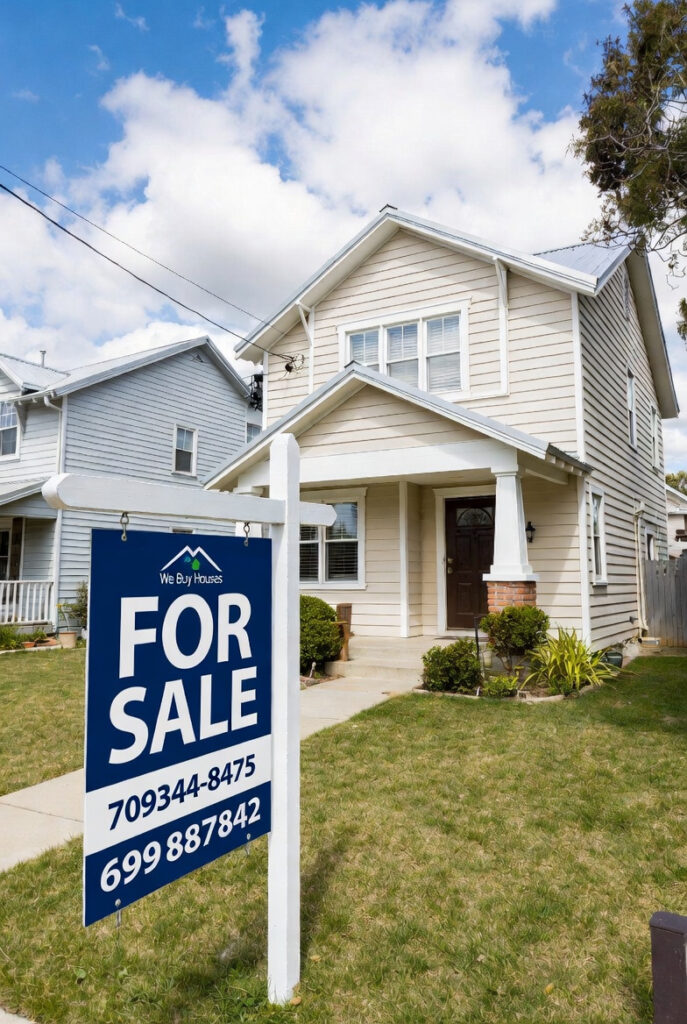
In a market that’s shifting toward stability, getting a clear picture of your home’s value is the first step to making confident decisions. While we can’t provide a specific dollar amount, this guide will show you exactly how to get the most accurate estimate for your property in 2026.
Based on the latest data, the 2026 housing market is characterized by modest growth, stabilizing prices, and a welcome return of leverage for buyers after years of volatility . Here is what the experts are projecting for the coming year:
- Home Price Growth: Forecast to be modest, with Zillow predicting a 1.2% rise and analysts at Reuters projecting around 3.3% growth .
- Mortgage Rates: Expected to remain above 6%, meaning affordability will continue to be a key factor for buyers .
- Sales Volume: Projected to increase slightly (by about 4.3%), indicating a slow but steady return of activity to the market .
This “stabilizing” market means that getting your price right is more important than ever. To help you navigate this, here are the most effective ways to determine your home’s worth.
🔍 Your 2026 Home Valuation Toolkit
There is no single “best” way to value a home. The most accurate picture comes from using a combination of these methods.
🖥️ 1. Start with Free Online Valuation Tools (AVMs)
Automated Valuation Models (AVMs) are the quickest way to get a ballpark figure. They analyze public data and recent sales to generate an instant estimate . They are a great starting point, but their accuracy varies, especially for unique homes or off-market properties .
Here’s a comparison of the top free online estimators for 2026 :
| Tool | Best For… | Accuracy (Median Error Rate) | Key Differentiator |
|---|---|---|---|
| Zillow (Zestimate) | A widely recognized benchmark with detailed market trends . | On-market: 1.83% / Off-market: 7.01% | Offers up to 10 years of historical value data and rental estimates . |
| Redfin Estimate | Users who want a frequently updated estimate . | On-market: 1.99% / Off-market: 7.67% | Updated daily for active listings and weekly for off-market homes . |
| HomeLight’s Estimator | Homeowners who want to connect with an agent immediately . | On-market: 2%-5% (est.) | Asks about your home’s condition and provides a list of top local agents with the estimate . |
| Chase Mortgage Services | Users who want to adjust data to model renovations . | On-market: 2%-5% (est.) | Lets you manually update bedroom/bath counts to see how upgrades might change the value . |
| Realtor.com | A solid, reliable estimate from the official NAR site . | On-market: 2%-5% (est.) | Refreshes frequently as market conditions change . |
📊 2. Get a Comparative Market Analysis (CMA) from a Local Agent
If you want a more refined and data-backed price range, a CMA is your best next step. This is a report prepared by a real estate agent who will compare your home to similar properties that have recently sold, are currently on the market, or expired . It is typically offered for free during a listing consultation.
A good agent provides the “human element” that AVMs miss, such as accounting for your home’s specific condition, unique layout, or a noisy street . As one expert notes, “A comparative market analysis helps a seller move from a vague idea of ‘what my home is worth’ to a data-backed price range based on recent sales, current competition, and how their home’s condition and features stack up” .
📝 3. Consider a Professional Appraisal
For the most definitive valuation—often required for refinancing or settling an estate—you can hire a licensed appraiser. This typically costs between $300 and $400 . The appraiser will conduct a thorough inspection of your property, both inside and out, to produce a comprehensive report that serves as the official fair market value .
📈 2026 Market Trends That Impact Your Home’s Value
The broader market context in 2026 can influence your home’s selling price. Here are two key trends to keep in mind:
- The “Green” Premium: Energy efficiency is no longer just a nice-to-have. Homes with solar panels, efficient HVAC systems, smart insulation, and EV charging are in higher demand as buyers look to manage ongoing costs . In fact, energy-efficient homes are currently commanding a 2% to 8% price premium and selling faster than homes without these features .
- Buyer Leverage is Increasing: After years of frenzied competition, the market is shifting. In 2025, about 62% of buyers purchased homes below the original list price, the highest proportion since 2019, with an average discount of roughly 8% . This suggests that in 2026, buyers will have more negotiating power, making accurate pricing from the start more critical than ever .
✅ Final Thoughts: Your Action Plan for 2026
Determining your home’s value in today’s stabilizing market is a process of layering information. Here’s how to get started:
- Get a Quick Snapshot: Use 2-3 of the online tools above (like Zillow and Redfin) to get an initial range. Note the differences in their estimates.
- Talk to a Pro: Reach out to 2-3 top-rated local real estate agents for a free Comparative Market Analysis. They can explain why your home falls within a certain range based on local nuances.
- Know Your “Why”: Your reason for seeking a valuation matters. For a rough idea, online tools suffice. For selling or refinancing, invest the time in a CMA or appraisal.
We hope this guide helps you navigate your home valuation journey with confidence.
Do you have a specific question about how a home improvement project might affect your value, or are you curious about a particular neighborhood trend?